
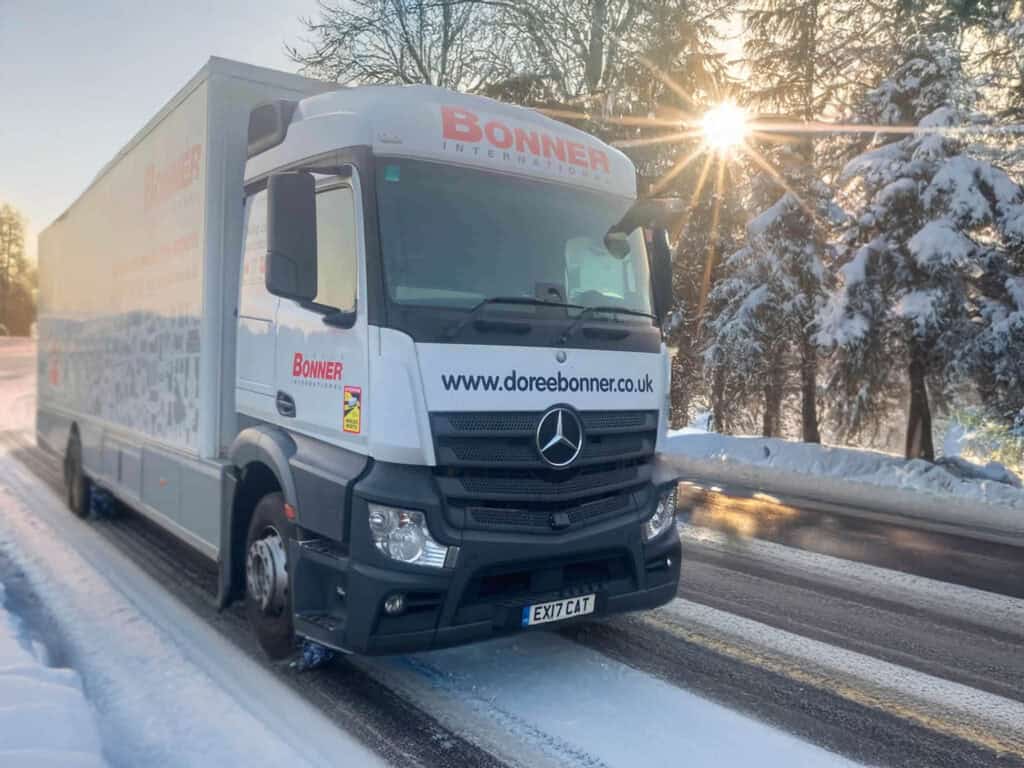
Winter brings more than shorter days and colder temperatures – it also raises the risk of damage to homes and commercial premises. Heavy rain, storms, freezing pipes, and high winds can all cause unexpected disruption. Without a clear disaster recovery plan, even a small incident can quickly turn into a costly and stressful situation.
Preparing ahead of the winter months helps protect your property, safeguard operations, and reduce the impact of emergencies. Here’s how you can strengthen your resilience before bad weather hits.
Why Winter Planning Matters
Cold and wet conditions increase the likelihood of:
- Burst and frozen pipes
- Roof leaks and structural damage
- Flooding and surface water ingress
- Power outages and heating failures
- Impact damage from fallen trees or debris
These issues often strike without warning and can lead to significant property loss and operational downtime. A robust plan gives you clarity, reduces panic, and speeds up recovery if the worst happens.
Common Winter Risks for Homes and Businesses
-
Water Damage and Burst Pipes
Freezing temperatures can cause pipes to expand and rupture. Once the thaw begins, leaks can spread rapidly through walls, ceilings, and flooring.
-
Storm and Wind Damage
High winds may loosen roof tiles, damage cladding, or cause falling trees to hit buildings, vehicles, or external storage.
-
Flooding and Excess Moisture
Heavy rain overwhelms drainage systems, especially in older or low-lying properties.
-
Heating System Failures
Boilers and HVAC systems work harder during winter, increasing the chance of breakdowns at the worst possible time.
-
Restricted Access
Snow, ice, or fallen debris can prevent employees, customers, or emergency teams from accessing your premises.
How to Prepare Your Home for Winter
-
Inspect the Property Early
Look for gaps, cracks, and vulnerabilities that could worsen in cold weather. Pay attention to:
- Roof tiles
- Window and door seals
- External pipes and gutters
- Lofts and insulation
Small fixes now prevent large-scale repairs later.
-
Protect Pipes and Heating
- Insulate exposed pipes
- Keep heating on low during freezing spells
- Know where your stopcock is – and test it
- Service your boiler before temperatures drop
-
Reduce Flood Risk
- Clear drains and gutters
- Move valuables and electricals off the floor in flood-risk areas
- Install flood guards or sandbags if needed
-
Prepare an Emergency Kit
Include essentials such as:
- Torches and batteries
- Portable heaters
- Blankets
- First-aid items
- A list of emergency contacts
How Businesses Can Strengthen Winter Resilience
-
Conduct a Risk Assessment
Identify weak points in your buildings, equipment, and operational processes. Consider:
- Storage areas
- IT hardware
- Customer-facing spaces
- Transport and fleet access
-
Protect Key Assets
- Raise stock and machinery off the floor
- Check warehouse roofing and roller doors
- Test alarms, fire systems, and CCTV
- Set up off-site backups for critical data
-
Create a Business Continuity Plan
This should outline:
- Who to contact in an emergency
- How operations will continue if the building is inaccessible
- Where teams will work during repairs
- How customers will be informed
-
Prepare Staff
Make sure employees know:
- Emergency procedures
- Who leads recovery efforts
- How to report issues quickly
- How to work remotely if needed
-
Review Your Insurance
Confirm what’s covered, what’s excluded, and any requirements for evidence during a claim.
Why Fast Recovery Matters
Damage from storms, water, or flooding becomes more severe the longer it’s left unaddressed. Quick action:
- Reduces secondary damage
- Protects your belongings and equipment
- Speeds up insurance claims
- Minimises downtime for businesses
- Helps secure and stabilise the property
Having trusted specialists in place before disaster strikes gives you peace of mind.
How Doree Bonner Supports Winter Disaster Recovery
Doree Bonner works closely with the insurance and restoration sector to protect customers when unexpected incidents occur. Our teams support homeowners and businesses through every stage of the recovery journey.
Our services include:
- Emergency pack-out and removal
Protecting contents quickly after fire, flood, or structural damage. - Secure storage in clean, dry, monitored facilities
Your items are kept safe while repairs take place. - Specialist handling and transportation
From furniture to sensitive equipment, everything is moved with care. - Support for insurers and restoration partners
Streamlined processes, fast response times, and clear reporting. - Nationwide coverage
Rapid deployment when you need it most.
Behind every recovery is a team of trained porters, packers, and drivers who understand how stressful these events can be. Their professionalism, empathy, and attention to detail help turn disruption into stability.
Final Thoughts
Preparing for winter may not prevent every problem, but it significantly reduces the impact of unexpected weather events. By planning early, protecting your property, and having reliable support in place, you can face the colder months with confidence.
Whether you’re safeguarding your home or keeping your business running smoothly, disaster recovery planning is an investment in security, safety, and peace of mind.
If you need help with emergency removal, storage, or support following property damage, our team is here to assist.
Contact Doree Bonner International 24/7 to find out more about how we can help protect your property this winter.