
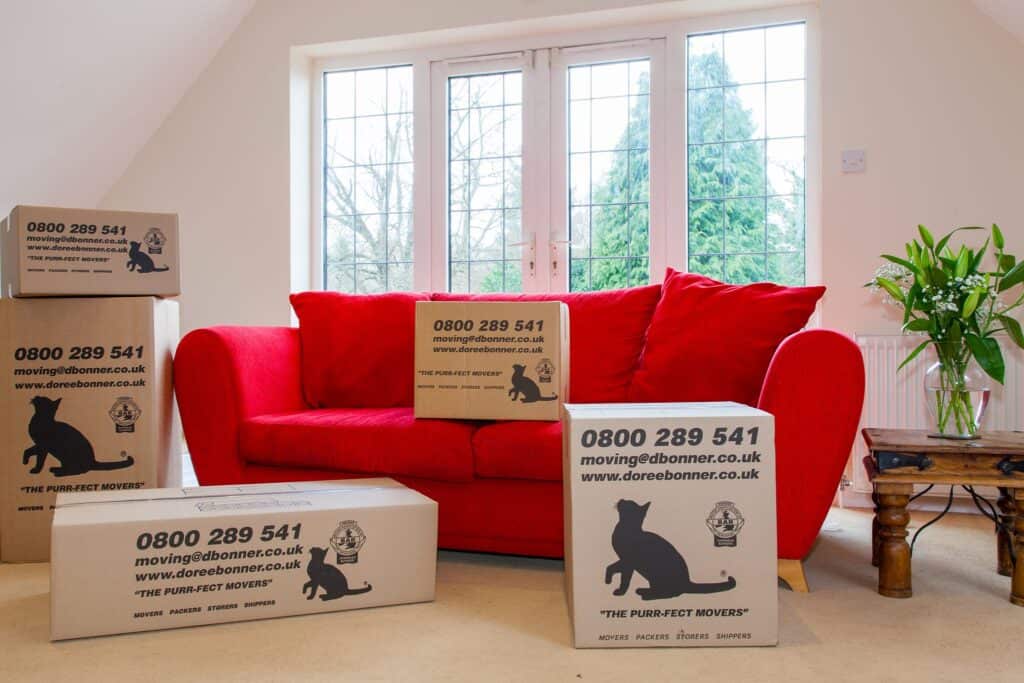
Moving house forces decisions about furniture that often get put off for too long. Sofas that have seen better days, wardrobes that no longer fit, or spare items stored “just in case” all need an answer. This guide explains what to do with old furniture when moving house, shows clear options for each piece, and helps you avoid last‑minute dumping, panic skips, and unnecessary costs.
Why You Need A Plan For Old Furniture
The Hidden Cost Of Ignoring Old Furniture
Leaving furniture decisions until the final week usually leads to rushed choices. People book skips at short notice, pay inflated clearance fees, or throw away items that could have been reused. Last‑minute decisions nearly always cost more and create stress on move day.
Space Limits In Your New Home
Even if you like your furniture, it may not suit your new home. Room sizes, layouts, ceiling heights and storage often change. Items that worked before may block walkways, overpower rooms, or simply not fit through doors.
The Environmental Impact Of Throwing Items Away
Bulky furniture takes up significant landfill space. Many items still have usable materials or life left in them. Donation, reuse and proper recycling reduce waste and lower the environmental impact of your move.
Decide What You Will Keep And What Must Go
Matching Furniture To Your New Space
You do not need detailed drawings. Rough measurements and a simple floor plan are enough. Check key items such as sofas, beds, wardrobes and dining tables against room sizes and access points. This quickly shows what works and what does not.
Sorting Furniture Into Clear Groups
Give every item a clear outcome:
- Keep
- Donate
- Sell
- Recycle
- Dispose
When each piece has a destination, decisions become easier and nothing gets left behind by accident.
Involving The Whole Household
Furniture decisions affect everyone. Involving the whole household avoids arguments later and keeps expectations realistic. Children often assume everything moves with them unless told otherwise.
Best Options For Furniture In Good Condition

Donating To Charity And Community Projects
Many charities and reuse centres accept clean, safe furniture. Items such as sofas, tables, beds, wardrobes and storage units are often welcome if they meet safety standards. Booking collections early is key, as charity slots fill quickly.
Selling Furniture Before You Move
Online marketplaces, local auctions and community groups work well for furniture sales. Allow time for listings, messages and collection. Do not assume buyers will collect immediately. Late sales often fall through.
Passing Items To Friends, Family Or Neighbours
Offer items within your own network first. Friends, family and neighbours may welcome furniture you no longer need. If there is no interest, widen the offer through local groups.
What To Do With Old Or Damaged Furniture
When Furniture Is No Longer Safe To Use
Broken frames, loose joints, heavy wear, missing parts or fire‑safety issues mean furniture is no longer suitable for reuse. These items should go through recycling rather than donation.
Using Council Bulky Waste And Local Sites
Most councils offer bulky waste collection or drop‑off facilities. Check booking systems, charges and size limits in advance. These services work well for single items but can become costly for larger clear‑outs.
Specialist Furniture Recycling Routes
Many areas have recycling streams for wood, metal, mattresses and white goods. These routes recover materials and reduce landfill use. They are far better than general waste disposal.
Using An Ethical Recycle And Reuse Service
How A Recycle And Reuse Service Works In Practice
An ethical recycle and reuse service allows unwanted furniture to be collected as part of your move. Items are separated, assessed and routed to charity partners, resale outlets or licensed recycling facilities. This avoids skips and rushed disposal.
What Types Of Furniture They Can Handle
Most services handle sofas, tables, wardrobes, beds, desks, shelving and storage units. Items must meet basic safety and handling rules. Your removals company can advise on suitability.
Getting Proof That Items Were Reused Or Recycled
Reputable services work with named partners and provide clear reporting. This gives confidence that items were reused or recycled properly, not tipped illegally.
What Doree Bonner Offer To Their Customers
Doree Bonner supports customers with ethical recycle and reuse options as part of a wider removals and clearance service. Furniture collected during a move can be directed to charity, resale or approved recycling partners, reducing waste and simplifying move day.
Avoiding Illegal Or Irresponsible Disposal
The Risk Of Using Unlicensed Waste Carriers
Anyone who disposes of your furniture must be licensed. If an unlicensed carrier dumps items illegally, responsibility can trace back to you. Fines and legal issues are real risks.
How To Check Licences And Paperwork
Always check waste carrier licences, request receipts and confirm where items are going. Legitimate operators provide paperwork and clear contact details.
Warning Signs On Move Day
Red flags include cash‑only offers, refusal to provide paperwork, vague answers about disposal, or pressure to act quickly. If something feels wrong, pause and reassess.
Reducing Waste From The Start
Decluttering Before You Get Quotes
Clearing out unwanted furniture before you request removals quotes means you only pay to move what you actually need. This reduces both cost and environmental impact.
Choosing New Furniture Carefully
Measure rooms and plan layouts before buying replacements. Rushed purchases often lead to furniture that does not fit and becomes waste later.
Using Storage Only When It Truly Helps
Short‑term storage can be useful during renovations or delayed completions. Long‑term storage of unwanted furniture often delays decisions and adds cost without benefit.
Building A Simple Furniture Action Plan
Six To Four Weeks Before Your Move
List every large furniture item. Decide whether it will be kept, donated, sold, recycled or disposed of. Book charity collections, resale listings or clearance services early.
Two Weeks Before Move Day
Confirm who is collecting sold or donated items. Chase buyers if needed. Finalise recycle and reuse arrangements with your removals company.
Move Week And The Day Itself
Label furniture clearly. Crews can then separate items going to your new home from those going to charity or recycling. This avoids confusion and delays.
Conclusion
Turn Old Furniture Into A Resource Not A Problem
Old furniture does not have to be a headache when you move. With a clear plan, ethical partners and a bit of time, you can reuse, donate or recycle responsibly. That means less waste, lower costs and a smoother move.
If you are planning a move and want support with ethical furniture clearance, donation or recycling, contact Doree Bonner. We can help you handle old furniture responsibly and make your move simpler from start to finish.
Find you more about our Ethical Recycling & Reuse for the Circular Economy.
Top of Form