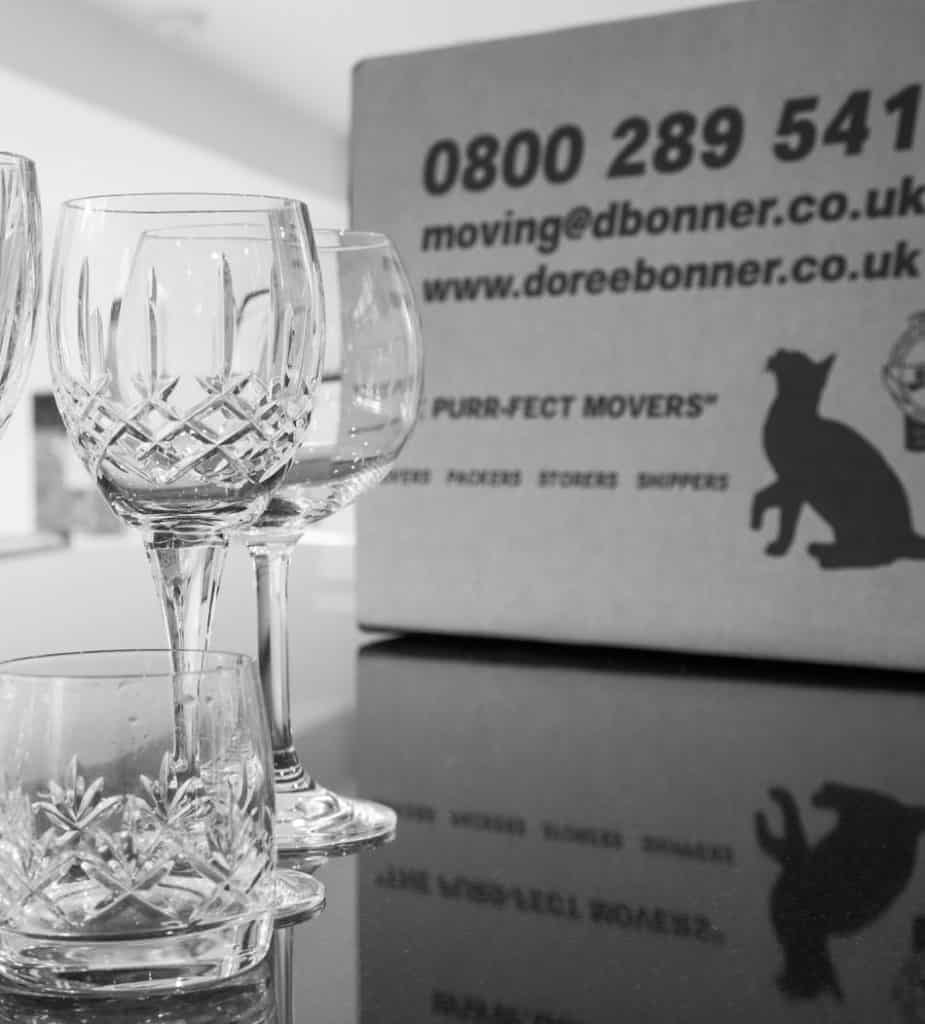
Storing fragile household items requires more than just placing them in boxes and hoping for the best. Without proper packing, environmental considerations, and storage setup, delicate items can suffer damage over time. This guide provides practical tips to ensure your fragile belongings remain safe and intact during storage.
Common Mistakes That Lead to Broken or Damaged Items
Using the Wrong Boxes or Containers
Standard cardboard boxes may not provide adequate protection for fragile items. They can weaken over time, especially in humid conditions, leading to potential collapses and damage. Opt for sturdy, reinforced boxes or plastic containers designed for storage.
Skipping Padding or Wrapping Materials
Neglecting to wrap items individually with protective materials like bubble wrap or packing paper increases the risk of breakage. Ensure each item is adequately cushioned to absorb shocks and prevent movement within the box.
Stacking Fragile Items Incorrectly
Placing heavy items on top of fragile ones or stacking boxes without considering weight distribution can lead to crushed or broken belongings. Always stack heavier boxes at the bottom and lighter, fragile ones on top.
Choosing the Right Packing Materials for Maximum Protection
Bubble Wrap, Packing Peanuts, and Foam Sheets
These materials provide cushioning and absorb shocks during handling and storage. Wrap each item individually and fill empty spaces in boxes with packing peanuts or foam sheets to prevent movement.
Specialised Boxes for Glassware and Electronics
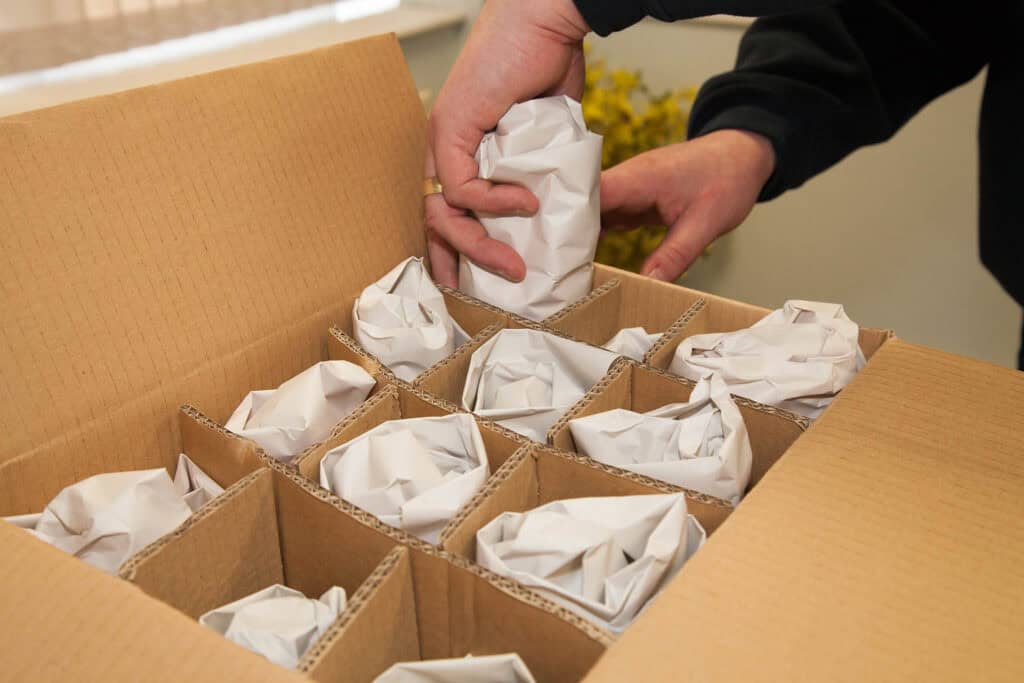
Use boxes designed specifically for items like glassware or electronics. These often come with dividers or custom inserts that hold items securely and reduce the risk of damage.
Tape, Labels, and Inventory Lists
Secure boxes with strong packing tape to prevent them from opening during handling. Clearly label each box with its contents and mark it as “Fragile” to ensure careful handling. Maintain an inventory list to keep track of stored items.
Environmental Considerations for Fragile Items
Why Clean, Dry Conditions Matter
Dust, dirt, and unclean environments can accumulate on delicate surfaces over time, causing discolouration, scratches, or degradation -particularly on items like electronics, artwork, fabrics, and ceramics. Storing fragile items in a clean and well-maintained facility helps prevent long-term surface damage and deterioration.
Best Items to Store in Clean, Well-Maintained Units
Items such as glassware, heirlooms, vintage clothing, and soft furnishings are especially vulnerable to environmental contamination. Clean storage units help ensure these pieces remain in pristine condition, free from dust build-up or accidental soiling.
How Poor Air Quality Can Harm Delicate Materials
Lack of ventilation and dusty conditions can create a musty environment, potentially damaging items made of paper, cloth, or leather. Choosing a storage facility with a good reputation for cleanliness and regular maintenance ensures your fragile items are kept in their best condition.
Storage Unit Setup Tips to Minimise Risk
Shelving and Vertical Storage Best Practices
Installing sturdy shelving units allows for organised storage and prevents stacking boxes directly on top of each other, reducing the risk of crushing fragile items. Place heavier items on lower shelves and lighter, delicate items higher up.
Creating Clear Walkways and Item Zones
Organise the storage unit with designated zones for different item types and maintain clear walkways for easy access. This setup minimises the risk of accidents and makes retrieving items more efficient.
How to Safely Stack and Organise Boxes
Stack boxes with the heaviest at the bottom and the lightest at the top. Avoid over-stacking to prevent toppling. Ensure that boxes are aligned and stable to maintain balance.
Long-Term vs. Short-Term Fragile Storage Considerations
Seasonal Items vs. Heirlooms
Seasonal items may only require short-term storage solutions, while heirlooms and valuable collectibles need long-term protection. Assess the duration and conditions required for each item’s storage.
Checking In and Periodic Repacking
Regularly inspect stored items for signs of damage or deterioration. Repack items as needed to ensure continued protection, especially for long-term storage.
When to Use Professional Packing Services
For valuable or extremely fragile items, consider hiring professional packing services. Experts have the experience and materials to pack items securely, reducing the risk of damage during storage.
Final Checklist: Keeping Fragile Items Safe in Storage
- Use sturdy, appropriate containers for storage.
- Wrap each item individually with protective materials.
- Label boxes clearly and maintain an inventory list.
- Opt for clean, dry storage units, especially for sensitive items.
- Organise the storage unit with shelving and clear walkways.
- Stack boxes safely, with heavier ones at the bottom.
- Regularly inspect and repack items as necessary.
- Consider professional packing services for high-value items.
At Doree Bonner International, we understand the importance of protecting your fragile household items during storage. Our secure storage facilities are clean and dry, providing an ideal environment for your belongings. We offer professional packing solutions to ensure your items are packed safely and securely. Whether you need short-term or long-term storage, our team is here to assist you.
Get a free online quote or contact us 24/7 to find out more about our services.