
Starting a new role is a big career milestone, and sometimes it comes with the added challenge of moving to a new city – or even a new country. Whether you are relocating for a promotion, joining a new employer, or transferring within your company, the financial and logistical impact of a move is often underestimated. From securing temporary housing to hiring a professional removal company, the list of expenses is long and the stress can be significant.
Without the right support, employees can find themselves out of pocket or overwhelmed at a time when they should be focused on making the best possible impression in their new role. That’s why negotiating a relocation package is so important. These packages not only ease the financial burden but also demonstrate that your employer values your contribution and wants to set you up for success from day one.
Understand What a Relocation Package Can Include
Relocation packages vary widely between companies and industries, so it’s essential to know what’s typically offered and what you should ask for.
Common components
The foundation of most packages covers the immediate, practical costs of moving. These can include:

Additional benefits to consider
While the basics are important, some companies are willing to provide extra support that makes the transition even smoother:
- Job search assistance for a spouse or partner – invaluable if your move impacts your partner’s career.
- School search support for children – helping to minimise disruption to family life and education.
- Cultural training or language lessons for overseas moves – making integration easier if you’re relocating abroad.
These extras not only reduce stress but also improve the chances of a successful long-term relocation.
Research Before You Negotiate
Know your market value
Before entering negotiations, research what other professionals in your industry and region typically receive in relocation support. Some sectors, such as finance or tech, are known for more generous packages, while others may be more limited. Industry benchmarks give you a realistic sense of what’s possible.
Understand company policy
Check whether your employer already has a relocation policy or budget framework. Many large organisations have structured programmes, while smaller companies may handle negotiations on a case-by-case basis. Knowing where your employer stands will help you frame your requests more effectively.
Preparing Your Case
Once you’ve done your research, it’s time to build a compelling case for your employer.
Identify your needs
Start by creating a comprehensive list of your expected relocation expenses. This should cover everything from removal company fees to childcare, pet transportation, or even visa costs if moving overseas. The more specific you are, the stronger your case will be.
Quantify costs
Gather quotes and estimates from service providers to show your employer exactly what the move will cost. For example, request a formal estimate from a trusted removal company, outline the cost of temporary housing in your new location, and include figures for travel. Demonstrating real numbers helps your employer see your request as credible and justified.
Negotiation Strategies
With your case prepared, you’re ready to enter discussions.
Focus on mutual benefit
Always frame your requests in terms of how they benefit both you and the company. For example, by covering moving costs, the company enables you to relocate quickly and without distraction, allowing you to hit the ground running in your new role.
Be specific and flexible
Be clear about exactly what support you’re requesting. For instance, you might ask for your removal company fees to be covered in full, plus two months of temporary housing. At the same time, remain open to compromise. Some employers prefer to offer a lump-sum relocation allowance rather than covering itemised expenses.
Get it in writing
This step cannot be overstated. Verbal promises can be forgotten or misinterpreted. Ensure every agreed benefit is documented in your employment contract or a separate relocation agreement. This protects you in case of any future disputes.
Common Pitfalls to Avoid
Accepting vague promises
Without written confirmation, “We’ll sort that out later” could leave you with unexpected costs. Clarity and documentation are essential.
Overlooking tax implications
In some cases, relocation benefits are considered taxable income. Make sure you understand the potential impact on your take-home pay before signing off. Seeking advice from a tax specialist can save you from surprises later.
Ignoring return obligations
Some relocation agreements include a clause requiring repayment of benefits if you leave the company within a set timeframe (often 12–24 months). Be sure to understand these terms before agreeing.
Conclusion
Relocating for work is a major life event, but with careful planning and the right support, it can be a positive and rewarding experience. A fair relocation package ensures you’re not left burdened by costs and allows you to focus on settling into your new role.
The key is preparation: know what relocation packages can include, research industry standards, prepare your case with real figures, and negotiate with confidence. Always aim for mutual benefit and secure everything in writing.
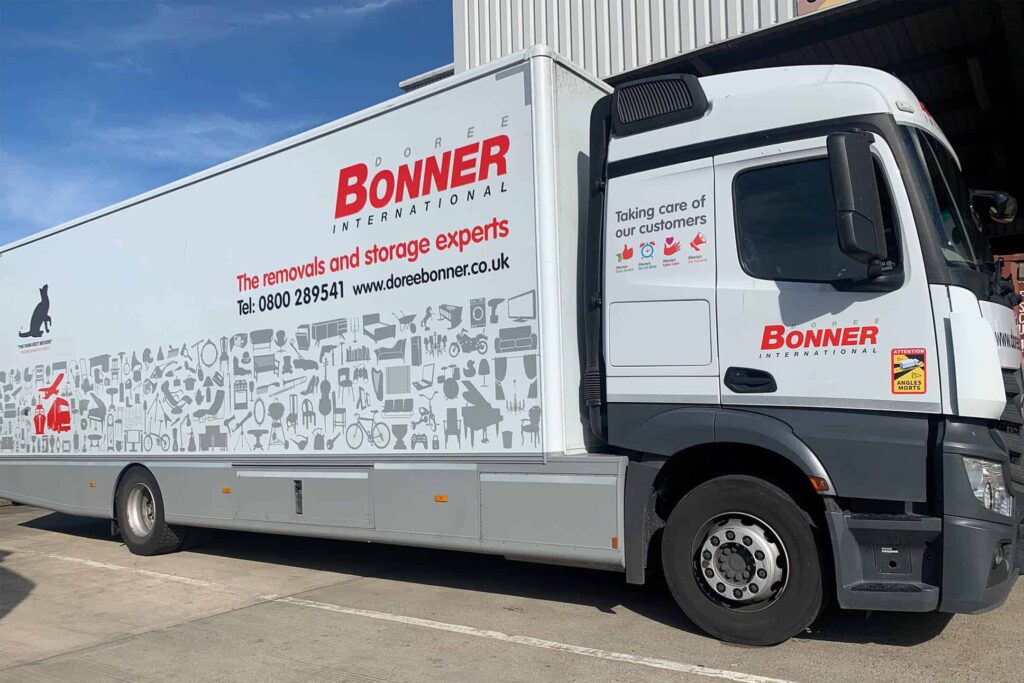
And remember, choosing the right removal company is just as important as negotiating the package itself. At Doree Bonner International, we’ve supported countless professionals moving in the UK and moving internationally with tailored, reliable, and stress-free relocation services. From professional packing and state of the art storage solutions to international shipping, we ensure every detail is handled with care, so you can focus on your career and your future.