
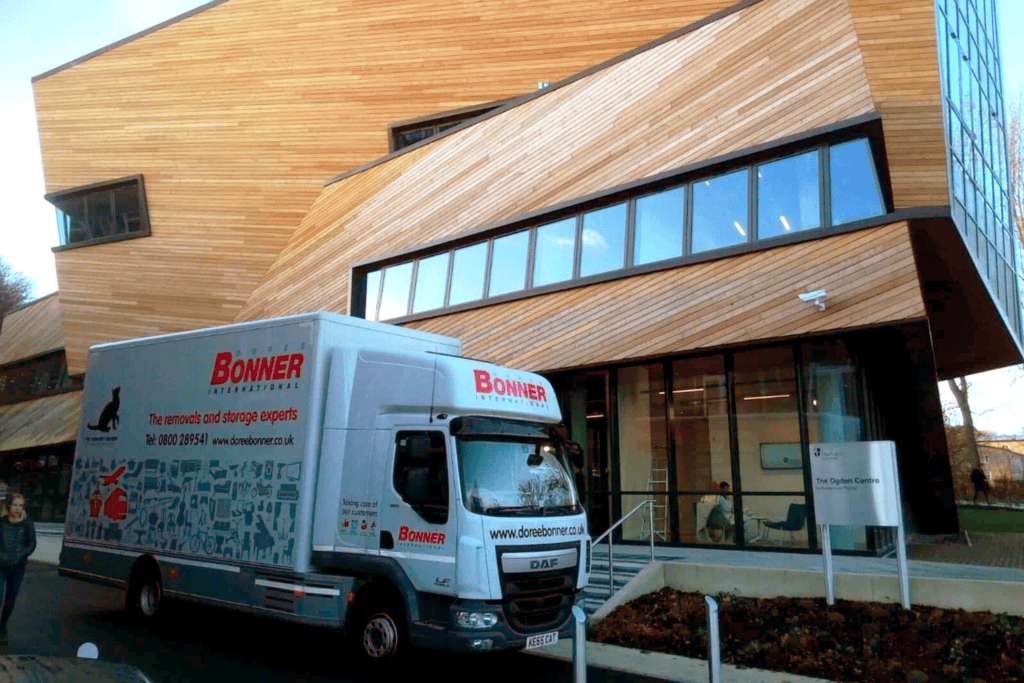
When your business is moving premises, getting the office relocation right is key. Engaging professional office relocation services early on will help you keep your downtime low and your team productive. In this article I’ll walk you through how using expert removal, packing and storage solutions supports a smooth transition, and why the right partner makes a real difference.
- Appoint a Move Manager and Set Clear Objectives
A fresh location means fresh logistics. To keep your office relocation on track:
- Appoint one person (or a small team) to manage the move. That person coordinates with your removal company, packing teams and IT.
- Define your acceptable downtime and the critical business functions that must remain live.
- Establish a realistic budget and timeline, including contingency for unknowns.
- Choose the Best Time to Move
Timing your relocation carefully helps minimise disruption. To pick the right moment:
- Identify slow periods in your business cycle – for many UK companies this could be a quieter quarter.
- Consider moving outside core hours or over a weekend when business activity is lower; though you must weigh additional costs and availability of services.
- Schedule in all practical requirements: building access, parking/loading, IT set‑up. These logistics often cause delays if overlooked.
- Inventory, Declutter and Plan Packing
Reducing what you move reduces what can go wrong. For efficient packing and moving:
- Create a full inventory of furniture, IT equipment, paperwork, fixtures. Know what you have and what can be left behind.
- Declutter: remove obsolete furniture, archived files, redundant IT. Move only what you need.
- Work with professional packers who understand office moves, label clearly, and handle fragile equipment with care.


- Manage IT, Telecoms and Data
Downtime often hits hardest when IT services go down. Here’s how to keep that risk low:
- Back up all data ahead of the move and schedule the disconnection and reconnection with your IT team or external specialists.
- Set up the new office’s internet, phones and servers before your staff return. That allows you to test systems and fix issues in advance.
- Consider staged moves: critical systems first, less critical later, so parts of your business stay live.
- Communicate with Employees, Clients & Stakeholders
Every move creates change; communication reduces uncertainty. Make sure you:
- Inform your team of timelines, packing instructions and what’s expected of them. Clarity means fewer disruptions the day of the move.
- Let clients, suppliers and other stakeholders know about the relocation, the timing and any impact on services.
- Create a feedback channel so employees can raise questions or concerns ahead of time. Early involvement improves buy‑in and reduces resistance.
- Coordinate with a Professional Removal and Storage Provider
Your choice of removal and storage partner has a big impact on how smooth your move will be.
Here’s what you should expect from a professional provider like Doree Bonner International:
- An experienced project manager who handles logistics and timing.
- Efficient packing of office furniture and equipment, transport, unloading and set‑up.
- Secure, clean, dry storage if you need to store items temporarily (not climate‑controlled).
- Support for office relocation services including the coordination of IT and building logistics.
Working with a provider that specialises in office relocation services means your move is handled as a business project – not an ad‑hoc activity.
- Check, Test and Settle In
Once you’re in the new space, focus on restoring full functionality fast:
- Unpack and set up key workstations first so your staff can resume work quickly. Labelling and prior inventory help here.
- Test all systems – phones, computers, internet, printers. Any problem at this stage can cause further delays.
- Walk through both the old and new premises with your move manager and removal company to mark any damages or missing items.
- Ask staff for feedback: identify any disruptions and handle them promptly. A smooth transition builds morale.
- Post‑Move Review and Optimisation
After the relocation is complete:
- Review the move: what went well, what didn’t, and how you can improve next time.
- Update your address and contact details on websites, stationery, legal records.
- Check if storage is still needed: you may decide to store items off‑site while you evaluate their use.
- Re‑align your office layout and workflows in the new space. You now have a fresh start – use it to streamline.
If you’re planning an office move and want to minimise disruption and downtime, professional support is the best way through. At Doree Bonner International we provide dedicated office relocation services, professional packing solutions, secure clean and dry storage, and local UK moving services. Get a free online quote and contact us 24/7. Let’s make your move smooth and efficient.