Customs is the part of an international move most people misunderstand and underestimate. It’s not just a formality. It’s a legal import process governed by national rules. Mistakes cause delays, charges, and sometimes confiscation.
This guide explains how customs really works for household moves, what documents you need, and what changes by country, so you know where things go wrong and how to avoid it.
How Customs Works for Household Goods
Customs officials don’t care how stressful your move is or that you’re relocating for work. They care about whether your shipment meets import rules.
Personal Effects vs Imported Goods
Most countries allow you to bring in used personal belongings without paying duty—but it’s not automatic.
You’ll usually need to:
- Prove the items are used and personally owned
- Provide evidence that you’re relocating, not just shipping goods for free
New items, duplicate electronics, or high-value goods often raise flags and attract tax.
The Inventory Is the Core Document
You must submit a detailed inventory. Customs expects:
- Itemised contents
- Quantities
- Condition (e.g. used/new)
Avoid vague terms like “miscellaneous” or “kitchen stuff”. Sloppy inventories increase the chance of inspection.
Physical Inspections Do Happen
Containers are regularly X-rayed. Full inspections happen if:
- Paperwork is missing or unclear
- Prohibited items are suspected
- You’re randomly selected
Inspections cause delays and come with fees – which you must pay.
European Union (France, Spain, Germany)
What Customs Focuses On
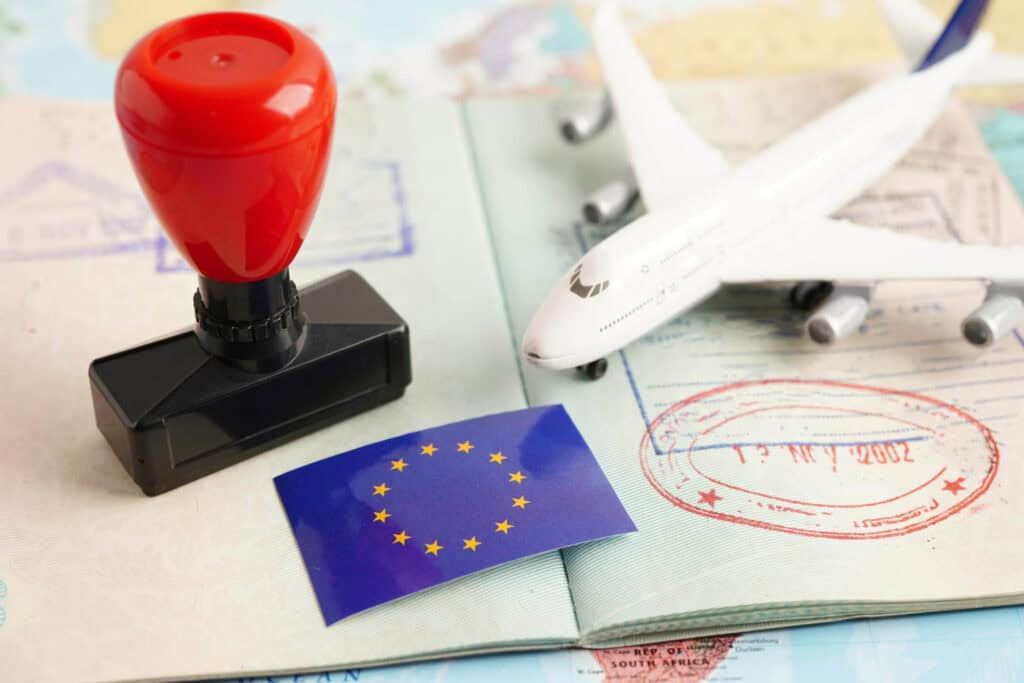
Proof of permanent relocation. The EU wants to see that you’re moving house, not importing to resell or avoid tax.
Common Requirements
- Proof of address in the destination country
- Signed inventory
- Declaration of personal household goods
Tip: Road freight often involves less red tape but still requires solid paperwork.
United States
What Customs Focuses On
Ownership, use, and intent. The US takes customs declarations seriously and inspects for undeclared goods.
Common Pitfalls
- Alcohol above personal limits
- Firearms, ammunition, or components
- Incomplete or inaccurate declaration forms
Even small mistakes can lead to full inspection.
Australia

What Customs Focuses On
Biosecurity. Australia enforces some of the strictest quarantine laws in the world.
High-Risk Items
- Camping and garden gear
- Bikes, sports equipment
- Outdoor furniture
- Anything dirty
Failing to clean these properly can lead to inspection, cleaning fees, or fumigation.
United Arab Emirates
What Customs Focuses On
Cultural and legal restrictions. UAE customs checks for prohibited content and banned goods.
Commonly Restricted Items
- Prescription medication (must have documentation)
- Books, media, and religious items
- Drones, satellite phones, and radio gear
Items found in violation are usually confiscated and not returned.
Asia (Singapore, Hong Kong)

What Customs Focuses On
Accuracy of paperwork and declared values.
Typical Issues
- Declared value not matching contents
- Alcohol or tobacco exceeding limits
- High-end electronics
- Wrong or missing arrival dates
Ports are efficient, but mistakes cause delays quickly.
Fees, Charges and Delays Explained
When Duties Apply
Used goods are often duty-free, but:
- New or high-value items may be taxed
- Customs officers decide what’s acceptable
Storage and Inspection Fees
If your shipment is delayed by paperwork or inspection, daily storage fees apply. They can stack up fast.
Who Pays
You do. Most removals quotes exclude customs charges unless stated. These are separate government fees.
How to Reduce Customs Risk
Accuracy Beats Optimism
Be honest. Don’t under-declare or guess. Customs penalties are far higher than being upfront.
Clean Everything
Especially if moving to Australia, New Zealand or similar. Cleaning saves money compared to enforced treatments or delays.
Use Movers Who Handle Customs Daily
Choose international removals firms with in-house customs expertise. They know the rules, help with paperwork, and keep things moving.
Customs Is a Legal Process, Not a Courtesy
Customs doesn’t exist to help your move go smoothly. It exists to protect borders, economies and safety. If you respect the rules and use experienced movers, things usually go quietly. If you don’t, you’ll face delays, costs, and avoidable stress.
Planning an overseas move?
Doree Bonner International provides expert international removals and secure storage to make moving abroad as smooth as possible. From packing and shipping to customs clearance and flexible storage options, we handle every stage with care and precision.
Contact us for more about our international removals and storage services or get a free online quote. You can also find out more about our shared containers, also referred to as Groupage, a cost-effective and environmentally friendly way to ship your belongings internationally.
Let us take the stress out of moving overseas.